
Diabetic Eye Exams in Pasco: Why Clear Vision Doesn't Always Mean Healthy Eyes
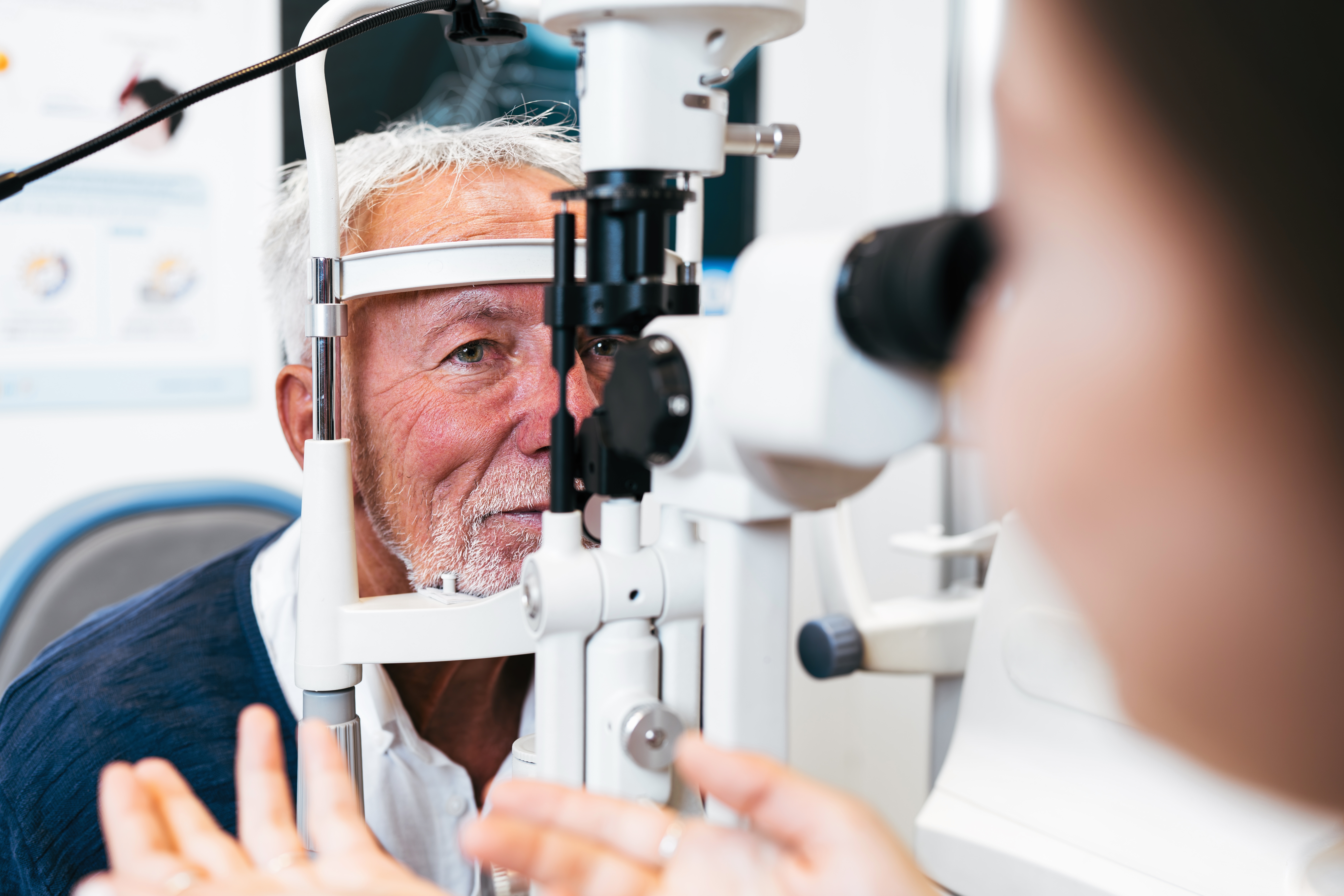
Seeing clearly does not always mean your eyes are healthy, especially when you have diabetes. Damage to the blood vessels in the retina can develop without noticeable symptoms, even if you can read, drive, and go about your day without difficulty. At West Pasco Eye Care, we provide diabetic eye exams in Pasco to help identify early changes and protect your long-term vision.
How Diabetes Can Affect Your Eyes Without Warning
Diabetes can damage the tiny blood vessels that nourish the retina, the light-sensitive tissue at the back of your eye. This damage is called diabetic retinopathy. In its early stages, diabetic retinopathy often causes no pain or changes in eyesight. You might still have 20/20 vision while changes are developing in the retina.
Over time, damaged vessels may leak blood or fluid, and swelling can affect the macula, the part of the retina responsible for detailed central vision. Without appropriate monitoring and treatment, diabetic eye disease can lead to permanent vision loss. That is why waiting until your vision becomes blurry is not a reliable way to know when you need an exam.
What Happens During a Diabetic Eye Exam?
A diabetic eye exam goes beyond checking whether you need new glasses. We evaluate your vision and examine the health of the retina, often using dilating drops and retinal imaging to look for changes that may not affect your sight yet.
During your visit, we may check for:
· Leaking or damaged retinal blood vessels that can indicate diabetic retinopathy.
· Small retinal hemorrhages that may develop before vision changes occur.
· Signs of macular swelling that could threaten sharp, central vision.
· Changes from previous exams that help us determine whether closer monitoring is needed.
· Other eye conditions, including cataracts and glaucoma, which can also affect people with diabetes.
If we identify concerns, we will explain the findings and recommend appropriate monitoring, treatment, or referral for specialized care.
How Often Should People With Diabetes Have Eye Exams?
For people with type 2 diabetes, a comprehensive dilated eye exam is recommended when diabetes is diagnosed. Adults with type 1 diabetes should generally have their first exam around five years after diagnosis. After that, many patients benefit from annual evaluations.
Some people with consistently normal retinal findings and well-managed blood sugar may be advised to return every one to two years. Others need closer follow-up, especially if diabetic retinopathy is present. We can help determine an appropriate schedule based on your eye health and medical history.
Protecting Your Vision Between Appointments
Regular diabetic eye exams are one part of managing your eye health. Keeping blood sugar, blood pressure, and cholesterol within the goals established by your healthcare team can help reduce the risk of retinal damage. Keep your eye care providers informed about changes in your diabetes treatment and follow through with recommended exams, even when your vision seems normal.
If you experience sudden vision loss, new flashes of light, many new floaters, or a dark curtain across your vision, seek urgent eye care rather than waiting for a routine appointment.
Schedule your diabetic eye exam with West Pasco Eye Care in Pasco, WA, by calling (509) 543-9898 today.


Contact Info
Hours of Operation
- Monday 8:00am-5:00pm
- Tuesday 8:00am-5:00pm
- Wednesday 8:00am - 5:00pm
- Thursday 8:00am-5:00pm
- Friday 8:00am-3:00pm
- Saturday Closed
- Sunday Closed
*Closed every day from 11:45am-12:45pm for lunch
© 2026 West Pasco Eye Care. All rights Reserved. Accessibility Statement - Privacy Policy - Sitemap
Powered by:
